

How We Work:
An Integrated Approach
In our sessions, We use an integrated flow of somatic and neurological approaches to help you build capacity, and process trauma, and anxiety without becoming overwhelmed.
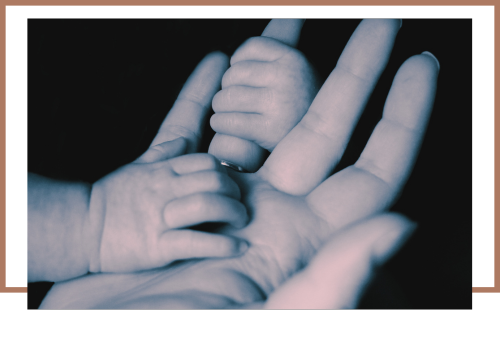
"The power of touch helps to soothe the nervous system, restoring a sense of safety and trust in the moment. Warm, safe touch activates the release of oxytocin—the “tend and befriend” hormone that creates pleasant feelings in the body and is the brain’s direct and immediate antidote to the stress hormone, cortisol."
— Stephen Terrell
Ways We Work: An Integrated Rhythm
Building the capacity to stay present with difficult emotions requires a flexible approach. Trauma feels like a "too much, too fast, too soon" experience for the nervous system. When we move between Somatic Experiencing, Somatic Touch, Somatic Inquiry, and EMDR, we create a rhythm that your nervous system and body can actually digest.
A Bottom-Up Integration
1. Settle: We often begin with some time focused on orienting and landing. This can be through somatic experiencing or done on the table with Transforming Touch. This isn't about "fixing" a symptom; it's about settling your nervous system. By establishing a felt sense of safety and support first, we create a "container" that makes deeper processing possible.
2. Process: Once your system feels settled and "less unsafe," we may move into deeper processing work. Because we have already resourced your body, deeper layers can be explored and targeted reprocessing work becomes more effective. You can stay present with the memory or image without your nervous system "flooding" or shutting down.
3. Integrate: Toward the end of a session, we always return our focus to regulation. This can often be offered through somatic touch or resourcing through somatic exercises. This helps "knit" the insights from deeper work, into your body. It grounds the work, ensuring you leave the session feeling integrated and rooted rather than "opened up."
Why This Matters for You
By tracking your nervous system throughout this cycle, we ensure that the "insight" you get from deeper layers doesn't stay in your head—it lands in your body. This is how we untangle early blueprints and create new, unfamiliar experiences of safety that actually stick.

Somatic Inquiry:
Oftentimes, the most profound reprocessing happens when we slow things down and focus on nervous system resourcing.
While using somatic touch and/or somatic experiencing, we might:
Slow down impulses: Noticing where the body wants to move or protect itself.
Identify fragments: Noticing a specific image, emotion, or memory as it surfaces in the body.
Process in Real-Time: Using the support of presence to explore these fragments safely, allowing the body to explore survival cycles and activation patterns that feel stuck.
Build self-trust: Restore the body's natural capacity to self-regulate as you track sensations, increase connection and understanding, and respond to underlying needs.
Expand new experiences of security and ease: Invitations to slow down and really notice organic ease in the body.
Supportive Listening Therapy: The Safe & Sound Protocol (SSP)
In some cases, we may incorporate the Safe and Sound Protocol. This acoustic intervention "primes" your nervous system for connection, making the somatic and EMDR work more accessible if you find yourself stuck in a high state of hyper-vigilance or chronic "freeze."
My Primary Approaches
I use a range of specialized, nervous-system-based approaches integrated in a way to support you feeling less unsafe in your own skin, establishing more connection with yourself and others, and feeling rooted enough to stay present in your life and your values.
Somatic Experiencing (SE):
I became a Somatic Experiencing Practitioner (SEP) in 2018, after completing an extensive 216-hr training with the Somatic Experiencing Trauma Institute. This is a way of working with the nervous system to release "trapped" survival energy. We pay attention to the body’s physical sensations to help resolve the fight, flight, or freeze responses that keep you feeling stuck or overwhelmed.
By addressing these unresolved patterns, individuals can gain a greater capacity for self-regulation.
Somatic Touch (Transforming Touch & NeuroAffective Touch):
For many, somatic touch work can help process deeply rooted stuck patterns —especially if the overwhelming experiences happened early in life before you had words. I use gentle, non-invasive, and intentional touch to support the nervous system in developing a sense of safety and regulation it may have never had the chance to build. Focus is on establishing more safety through co-regulation, building somatic trust in the body, and providing experiences for the body to reorganize early relational imprints at a foundational, physiological level.
EMDR (Eye Movement Desensitization and Reprocessing):
A structured approach that helps the brain "reprocess" distressing memories. The goal is to take the "charge" out of past traumas so they no longer trigger an intense survival response in your daily life.
EMDR uses bi-lateral stimulation to activate the adaptive information processing system of the brain, allowing for painful memories, feelings and thoughts to more easily integrate into ones experience. EMDR is an evidence based practice. Check out EMDRIA for more information.
Safe and Sound Protocol (SSP):
A non-invasive, acoustic (music-based) intervention. It is designed to retune the nervous system to better process human speech and social connection, effectively "priming" your body to feel more at ease in the world.
The SSP, through acoustic vagal nerve stimulation, sends cues of safety to your nervous system, building a capacity for safety in connection. This can support moving out of defensive survival strategies of fight, flight, freeze, and fawn, towards a physiological state of feeling safer and better able to manage stress.